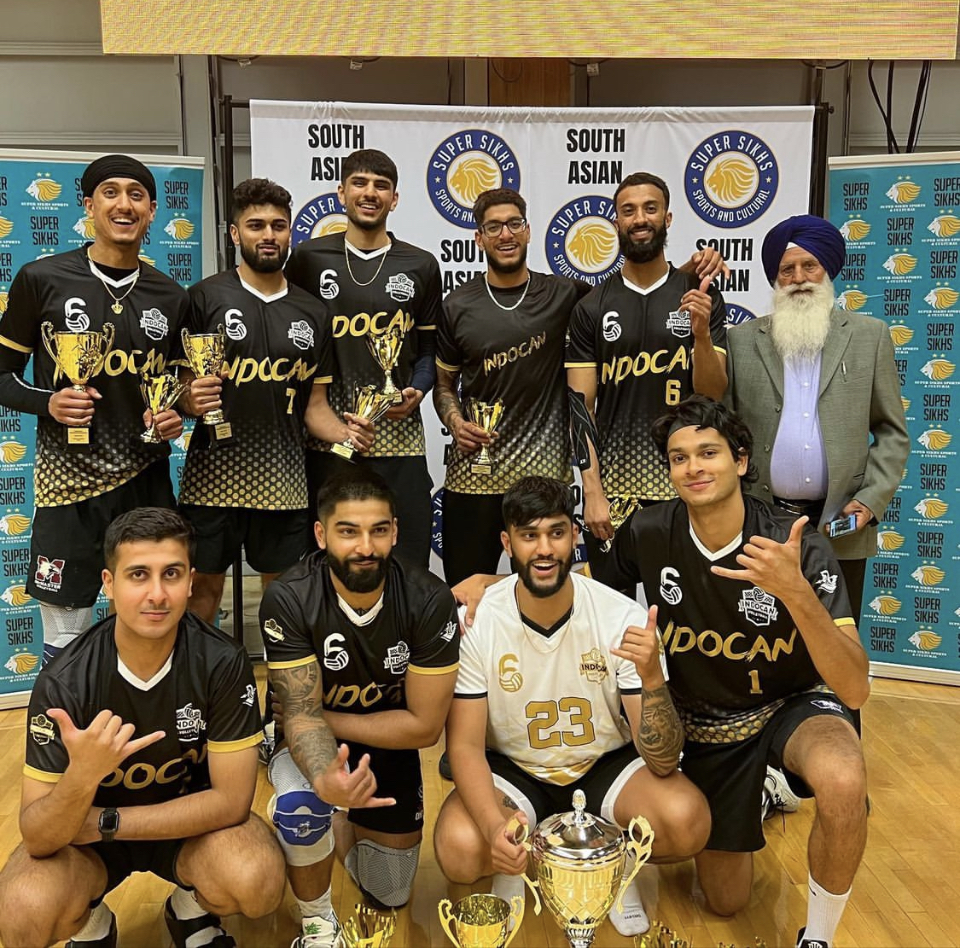
IndoCan volleyballers walk alone among their peers
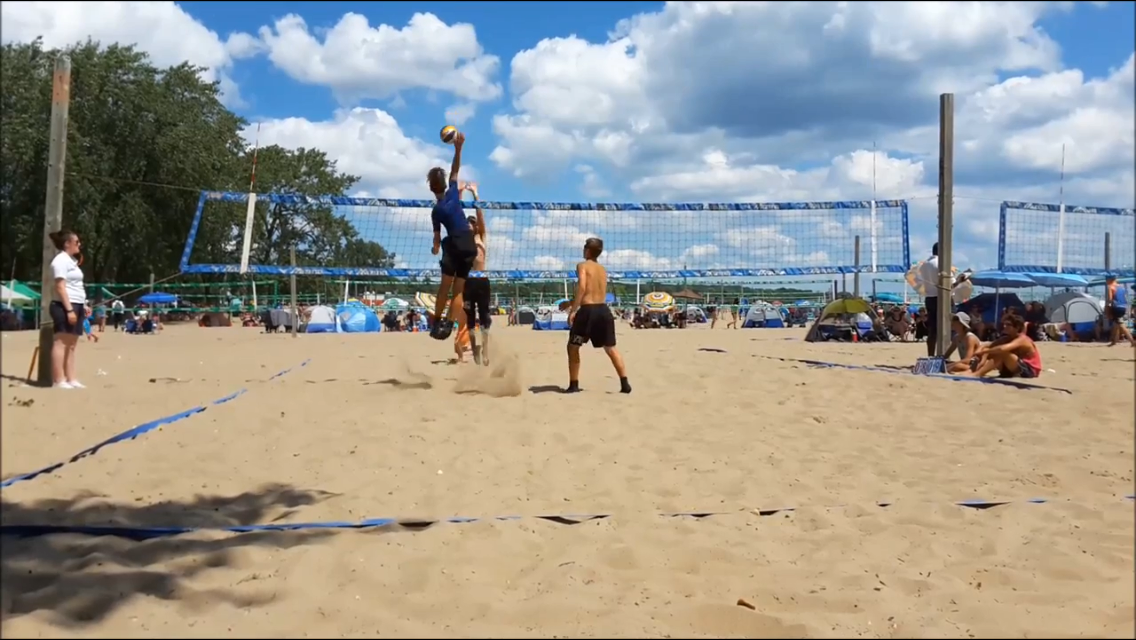
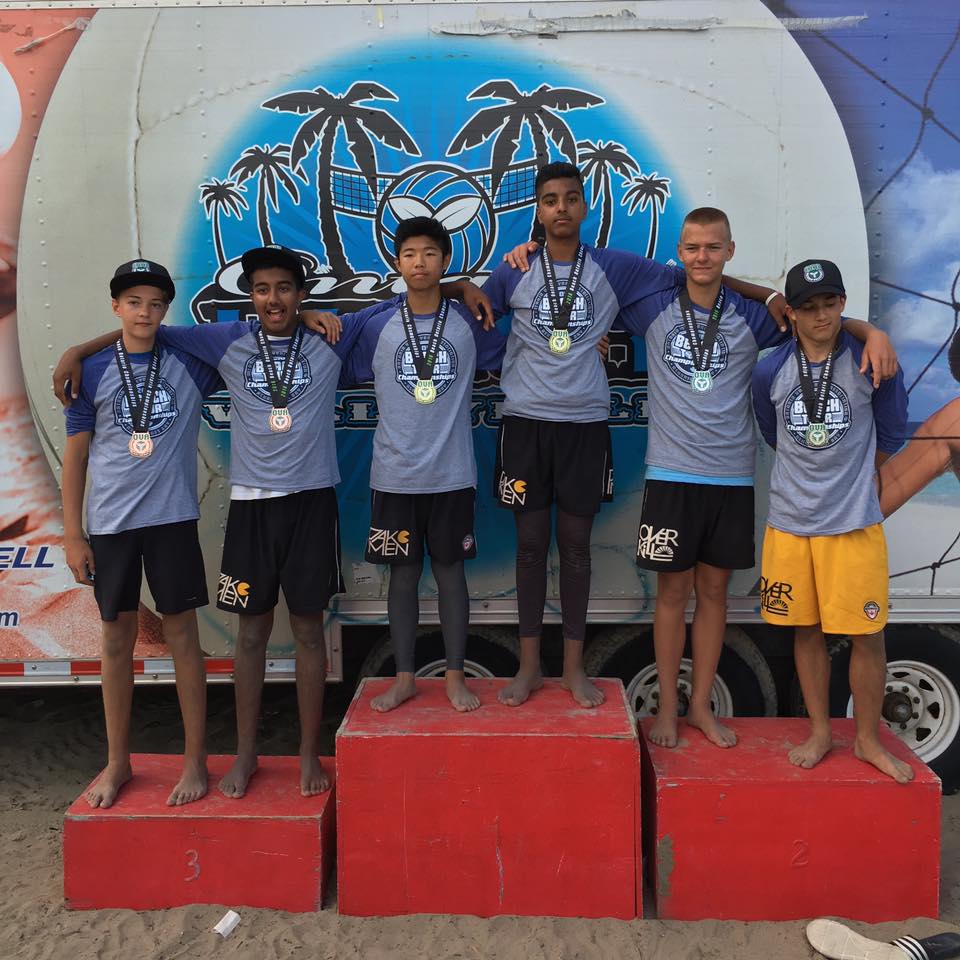
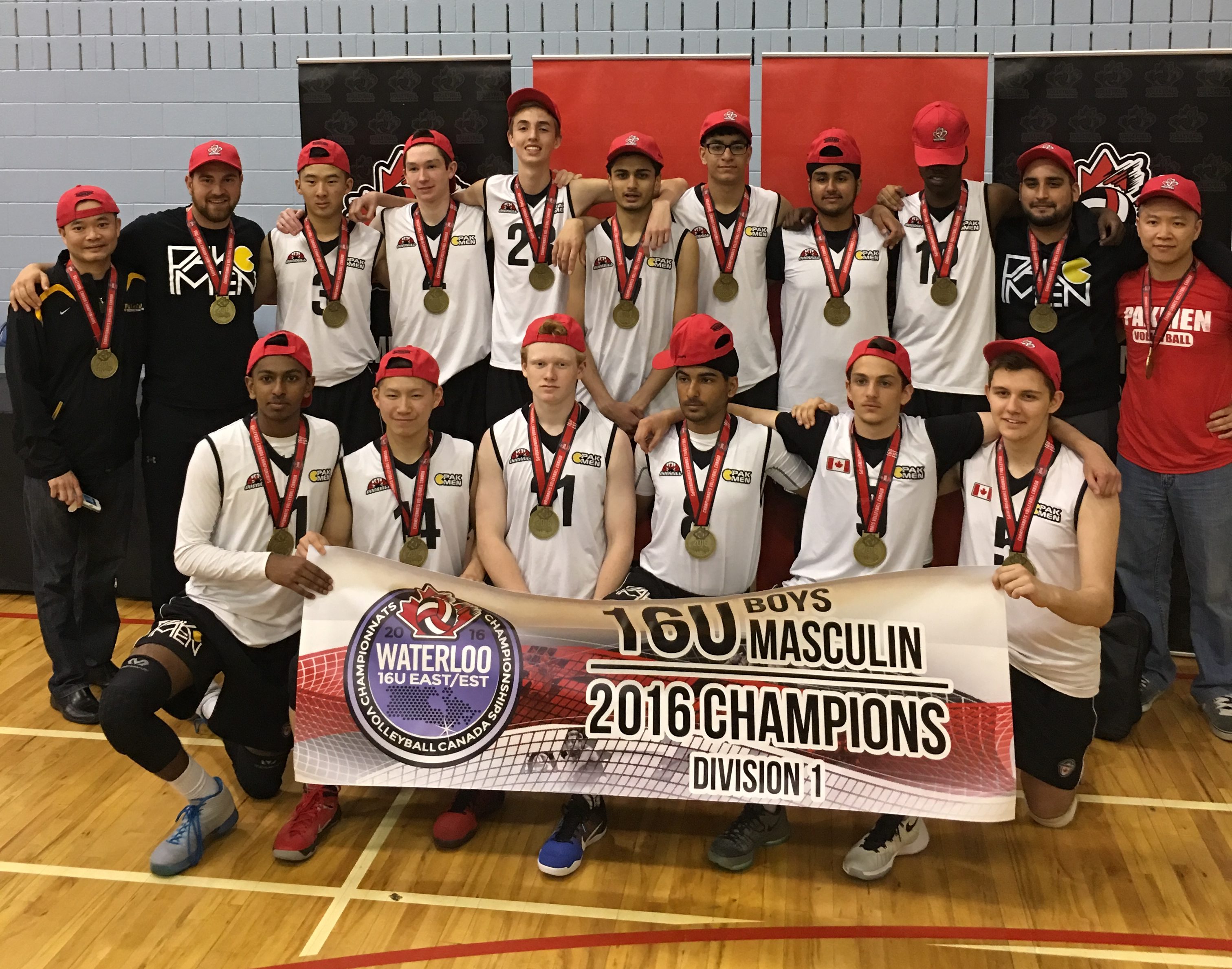
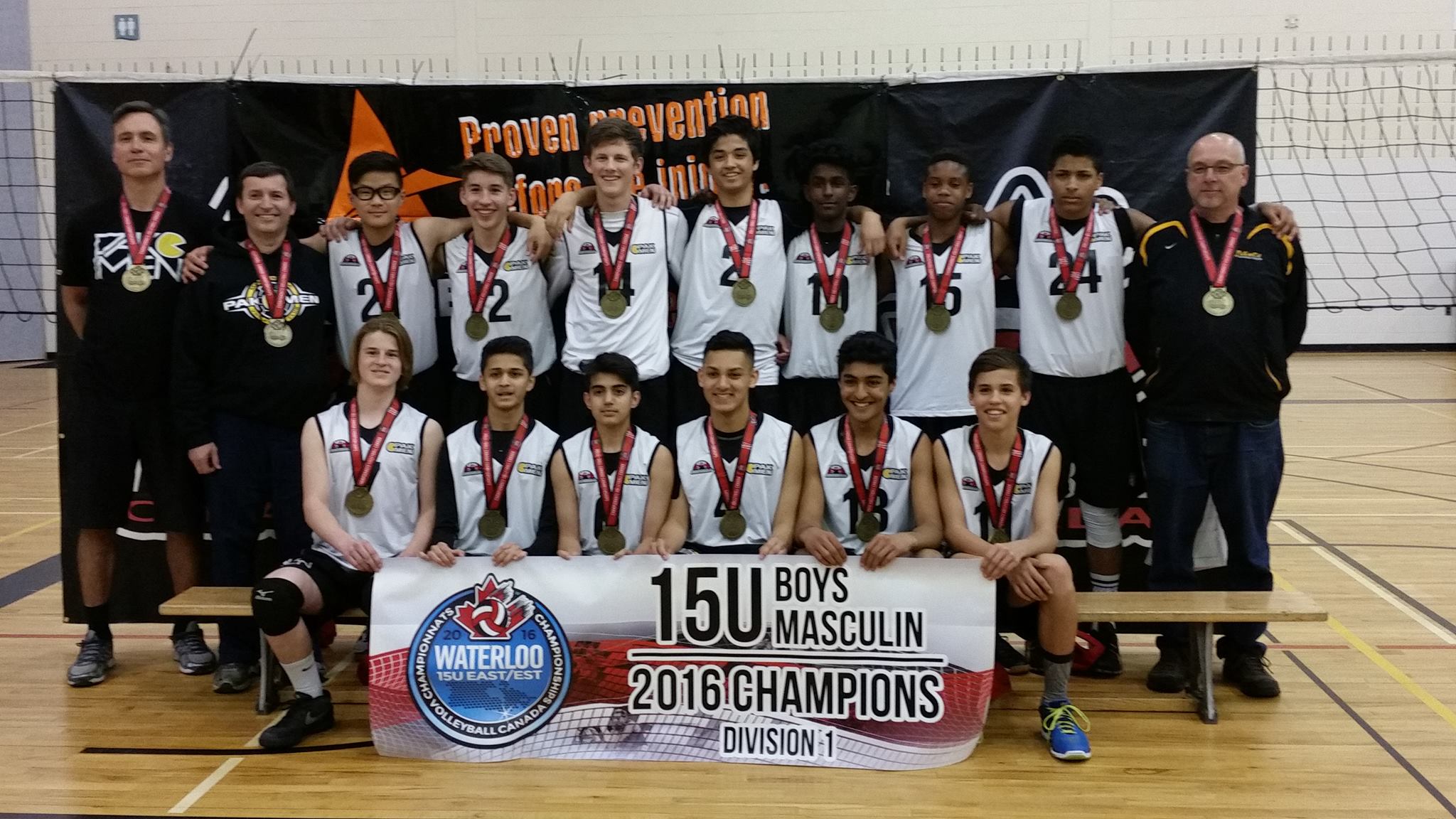
By DAVID WINER Can being too good be a curse? IndoCan volleyball club coach Sukh Singh thinks so, but he wouldn’t have it any other way. When volleyball communities host their annual tournaments, IndoCan’s invitation often gets lost in the mail. Truth be told, they’re too good and a massive favorite to win and take home the prize money each time they take to the court. With most of the roster made up of Pakmen Volleyball Club alumni, the players have been competing together for years and know each other’s next move on the court even without having to practice. They’re South Asian volleyball’s answer to the famed basketballers the Harlem Globetrotters who entertain their fans while toying with their rivals the Washington Generals. “It’s sour apples,” contends Singh of tournament organizers anxious of inviting IndoCan. “They say we’re too good. I say how are you going to get better if you’re not playing against this team.” Singh adds his club, comprised of 65 players, also participates in non-Indian tournaments. However, frustrated with a lack of opportunities, the IndoCan players took their skills on the road recently, flying Down Under to Sydney, Australia to participate in the first annual South Asian World Club Volleyball Championships. In search of world-class competition, the team of former Pakmen Navreet Suhan, captain Saad Shaikh, Avy Bath, Arjun Selhi, Deman Dulat, Harnoor Grewal and Jaskaran Kalsi teamed with Amit Pal Sayal and American Sahib Sidhu against a number of sides from Australia and New Zealand. The result…total domination. After round robin 2-0 victories over Sydney Storm, Black Spikes of New Zealand and BBSCP of Australia, IndoCan blanked Auckland Spikers 2-0 in the quarter-finals, Sydney Storm 3-0 in the semi-finals and BBSCP 3-0 in the gold medal contest. “We wanted to make the trip to a noteworthy event,” said Singh, adding the second annual event will be held next August in Toronto, followed by stops the following two years in New Zealand and Chicago. “Outside of India, the biggest South Asian volleyball countries are in North America, New Zealand and Australia,” explained Singh for the choice of destinations. “We’re looking for teams to play against. And these are three countries who have organized volleyball. Hopefully other teams will reach out to us.” Due to difficulties in securing visas meeting up with teams from Pakistan and India is a no-go at the moment. “I had done my research,” said Singh. “(And) in the final, the majority of the players were from India and are State-level players. They’re the one team that gave us a battle. The other teams I thought would be stronger, but because of needing visas, a few players were missing.” However, Singh contends, “Another item on our bucket list is playing in India. Maybe we’ll host a tournament there in December, November or January. “A lot of teams in India know us,” boasts Singh. “We’re world-wide. International players know us by our name.” And considering the results IndoCan has posted over the years, there seems to be little exaggeration in his argument. The 10-day trip to Australia wasn’t without its memories off the court as well, with stops made at the famous Sydney Opera House, Bondi and Marley Beach and Taronga Zoo where the Koalas and Kangaroos were the main attractions. And it was at a junior kids volleyball camp near one of the beaches where some of the IndoCan members realized the world can be a small place. “Saad went to Ryerson after (graduating from) Pakmen,” explained Singh. “One Australian noticed his Ryerson shorts and said ‘my brother is playing this year at Ryerson,’. As a recruiter for the university team, Saad knew exactly who his brother was.” Singh is very proud of the reputation the IndoCan club has developed in parts of the world, and in particular at home. Involved in volleyball for close to 30 years, a deep connection was made between IndoCan and the Pakmen Volleyball Club with both founder Kelly Smith and coach Jessy Satti, who was a member of IndoCan for a number of years. Now, Satti continues to serve IndoCan as a recruiter and the winning results have gone unchanged. “A lot of the players have been together since Grade 9 in high school in Mississauga and with Pakmen and even university,” explained Singh. “Ninety per cent of the team is from Mississauga and Pakmen. And, there’s nothing I have to tell them. They’ve been together 8-10 years. “If it wasn’t for IndoCan, I don’t think they’d be playing. They knew (when growing up) that one day they wanted to play for (IndoCan). “And since they’ve been together for years,” added Singh, “pool play in tournaments is our practice. That doesn’t mean the guys don’t play some 2-on-2 and 3-on-3 working on their setting and hitting, but at tournaments, they jell quickly and are ready to go.” And the reason so many of the players look forward to representing IndoCan is to make their community proud. “As Canadian-born South Asian kids, their parents are really proud of them,” says Singh. “There’s also a strong fan following. When they show off their skills, children say I want to be like you. “As home-grown Canadians, IndoCan wants to get the Indian community involved in volleyball.” And, because of their popularity, the team has no shortage of sponsors. The trip to Australia, for instance, included free hotel stays and dinners. And, much of the other expenses were paid for from tournament wins where the prize money can exceed $5,000. Pakmen alumni needed little incentive to show off their skills Down Under. “Playing for IndoCan is very special to me,” said captain Shaikh. “I get to play with friends I’ve been playing with and against for over 10 years. IndoCan also gives us worldwide exposure and helps us build relationships outside of Canada. “The core guys on our team know each other’s tendencies, strengths and weaknesses so well that we have the ability to naturally cover any holes that show